


Every year, I look at the eighth grade English Language Arts calendar and see the same crunch. We start the fall with novel studies and writing units, and suddenly, the media literacy standards feel like they are getting pushed to the margins. When you find yourself running behind, or when you have a student who missed the entire week, Analyzing Media Purpose and Motives is a reliable way to get the job done.
When media literacy gets squeezed in the classroom
Whether you teach in the William S. Hart Union High School District, San Juan Unified, Sierra Sands Unified, or San Luis Coastal Unified, you know that keeping up with every standard can feel like a losing race against the clock. This is a solid, self-contained lesson for eighth graders. It focuses on the core vocabulary of media literacy: media, purpose, and motive. Students learn that purpose is the explicit reason information was created, such as to inform, persuade, or entertain. Motive is the underlying goal, like social, commercial, or political interests. The lesson opens by framing public service announcements as vehicles for behavior change, which helps students see that every video or post they scroll through is designed with an intent. It is a straightforward approach that respects the students’ time.

What the lesson asks students to do
The core work here is practicing how to peel back the layers of a media message. For instance, the 8th grade media literacy lesson provides a clear worked example: a commercial for a smartphone that shows a happy family using the device. Students identify the purpose as selling the phone and the motive as commercial by looking specifically at how the video highlights product features. The guided practice then moves into a documentary clip about environmental protection. This is a smart shift because it moves students away from just thinking about advertising and into the area of persuasive or informative documentary work, where the motives might be social rather than purely financial.

This work serves CA.ELA.SL.8.2, which is the California-adopted standard asking students to analyze the purpose of information in diverse formats and evaluate the creators’ motives. The lesson also incorporates CCSS.ELA-LITERACY.SL.8.2, which functions as part of the same standard, asking for an analysis of both visual and oral presentations. In practice, this means your students are looking at how a message is packaged and asking why it was packaged that way. It is a critical skill for their personal lives, as the lesson notes that knowing a motive helps a student decide what to believe and what to buy when they are on social media.
The biggest challenge I have seen with this topic is that kids often want to assign a moral value to these motives. They think a commercial motive is ‘bad’ and a documentary motive is ‘good’. This lesson does a nice job of keeping the analysis neutral. It focuses on identifying the goal rather than judging the creator. This is why I think it works so well for independent study or for a day when you have a substitute. It provides enough scaffolding that a student can work through the definitions and the examples without needing a lot of back-and-forth guidance from you.
If you are managing attendance recovery or just looking for a way to get your class caught up on their speaking and listening requirements, this is a clean choice. It hits the requirements without unnecessary fluff. It is exactly the kind of material I would keep in my back pocket for those mid-semester weeks when the schedule feels too tight to breathe.
Related lessons

Evaluating Arguments and Evidence, Teaches students how to assess reasoning and supporting evidence quality

Crafting Compelling Narratives, Focuses on writing engaging stories with strong narrative structures
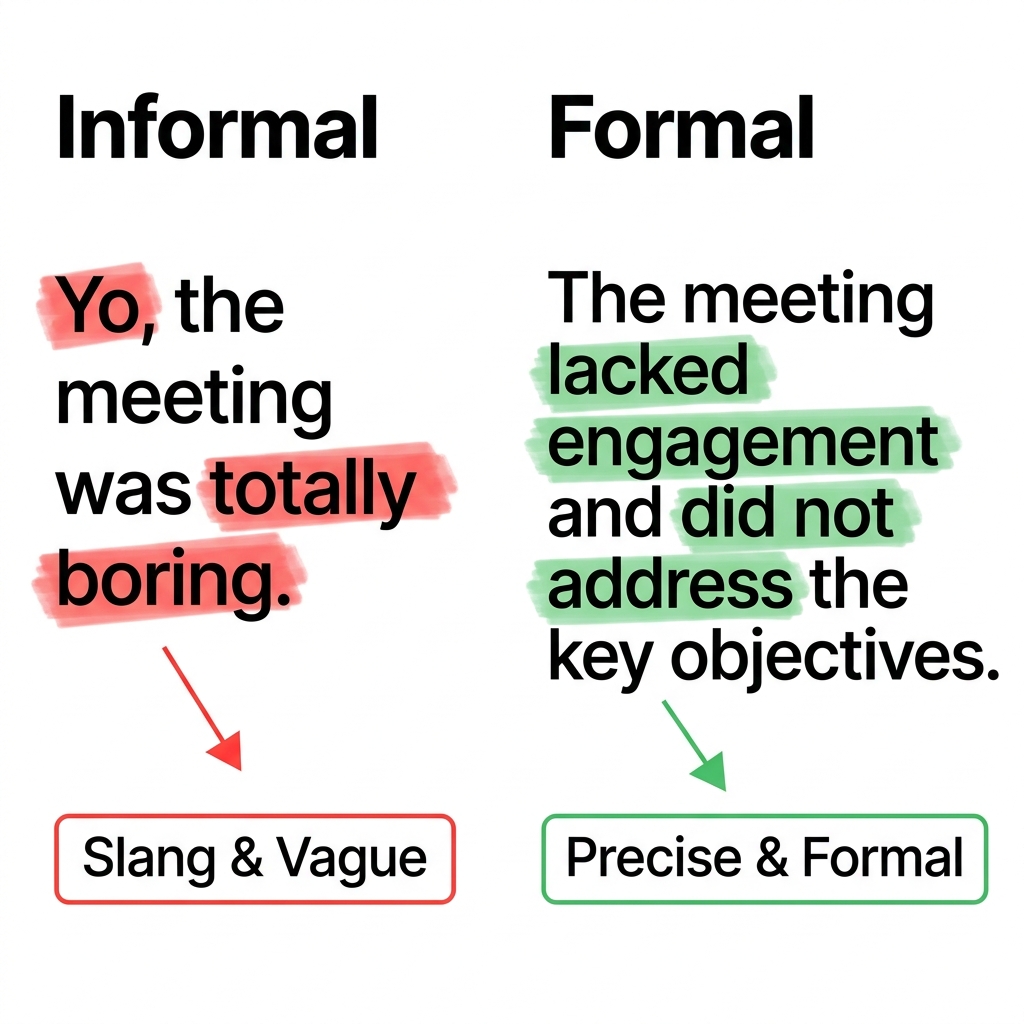
Adapting Your Speech for Success, Covers modifying language and tone for different communication contexts