

Students often treat reading as a binary task. They assume that if they can read the words on the page, they have comprehended the story. In my years teaching high school English 9, I have seen too many students breeze through a text, report that they understand it, and then completely miss the deeper layers that make literature matter. They skim the surface, leaving the meaning and the human experience behind.
This is where Analyzing Complex Literature comes into play. It targets the habit of looking at a text and assuming the work is done once the narrative arc is identified. The lesson forces a pause, requiring students to consider the internal state of a character and the subtle choices an author makes. It is a solid resource if you need to help a student who is struggling to move beyond literal interpretation.
What the lesson actually asks students to do
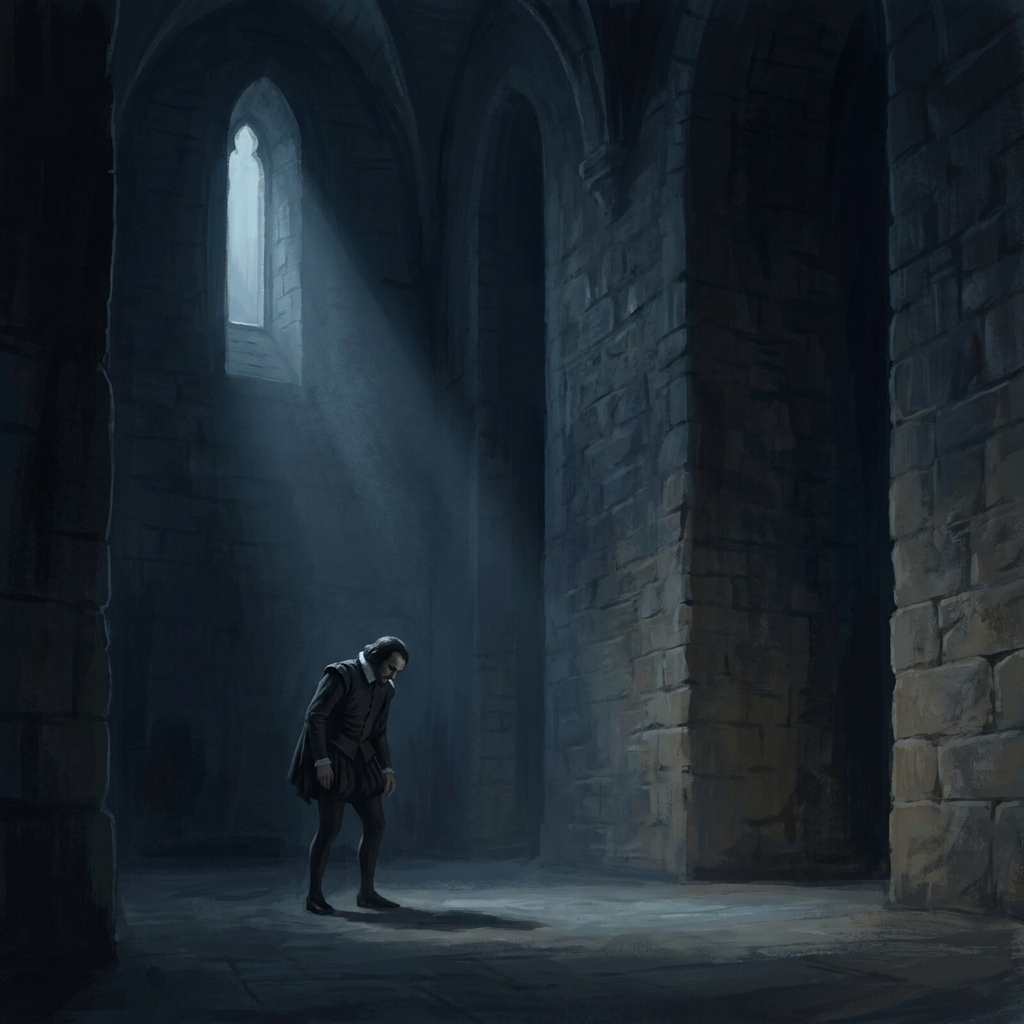
The lesson moves through a short, forty-five-minute progression to build up reading stamina. It starts with the idea that small clues within a story explain why a character acts in a certain way. This is the foundation of analyzing a character’s internal state. Students look at a scenario featuring a character facing a difficult choice, then move to a worked example involving Shakespeare. Specifically, it uses the famous soliloquy about life and death to show how a character can be alone, vulnerable, and clearly weighed down by dramatic tension.

To build their skills, students work through a guided practice passage featuring a poem about a narrator who claims they are not afraid of the dark while they keep checking a locked door. It is a perfect example of a text that requires reading between the lines. Throughout this process, they encounter key terminology: Theme, which is the central message about human life; Structure, which defines how a writer organizes the piece or switches time; and Nuanced, which refers to those small, subtle differences in meaning that are not always obvious.
Where students slip
The hurdle for most students is the transition from guided work to independent practice. They are used to being spoon-fed questions, but this high school literature analysis lesson expects them to start generating their own inquiries. This work aligns with the requirements of CA.ELA.RL.9-10.10. This California-adopted standard, along with the corresponding CCSS.ELA-LITERACY.RL.9-10.10, asks students to read and comprehend stories, dramas, and poems within the 9-10 complexity band with increasing independence and proficiency. It is the same requirement taught to students across the state in districts including Chaffey Joint Union High School District, Antelope Valley Union High School District, Gridley Unified, and Desert Sands Unified.
The lesson does a good job of framing why this matters. It explains that analyzing literature is not just an academic exercise. It teaches students to look for what remains unsaid in daily communication, whether they are reading news reports, sets of instructions, or personal messages. Once they learn to navigate these layers, they can make more informed decisions about the information they receive every day.
How to fit this into your schedule
I find this lesson works best for a few specific types of students. If you are managing an intervention program or independent study, this is a clean, focused assignment for a student who missed the week or needs to recover attendance hours. It is also excellent to leave for a substitute when you need students to keep up their reading standards without needing the teacher to facilitate a live discussion. The lesson is self-contained enough that a student can complete it independently, which supports the overall goal of the curriculum: moving them toward self-directed reading practice. Do not be surprised if they find the transition to self-generated questions difficult at first, but that struggle is where the real learning happens.

Related lessons

Understanding Complex Characters, Explores how characters develop through their choices and internal states
Supporting Ideas with Textual Evidence, Practice in selecting specific quotes to back up literary arguments

Discovering Meaning in Stories, Focuses on identifying themes and central messages in short fiction