

Fourth grade math instruction centers on building precision with multi-digit operations. This requires a shift from informal mental math toward structured methods that ensure accuracy as numbers increase in size.
When vertical alignment breaks down
Every year, a handful of students in my fourth grade class sit down to a problem like 542 plus 389 and, instead of lining up the digits, they try to add left to right across the page. They might get the first digit right, but by the time they reach the tens or hundreds column, everything collapses. That is why I rely on Adding and Subtracting Large Numbers. It addresses the very real need for a disciplined, consistent approach to addition and subtraction using the standard algorithm.

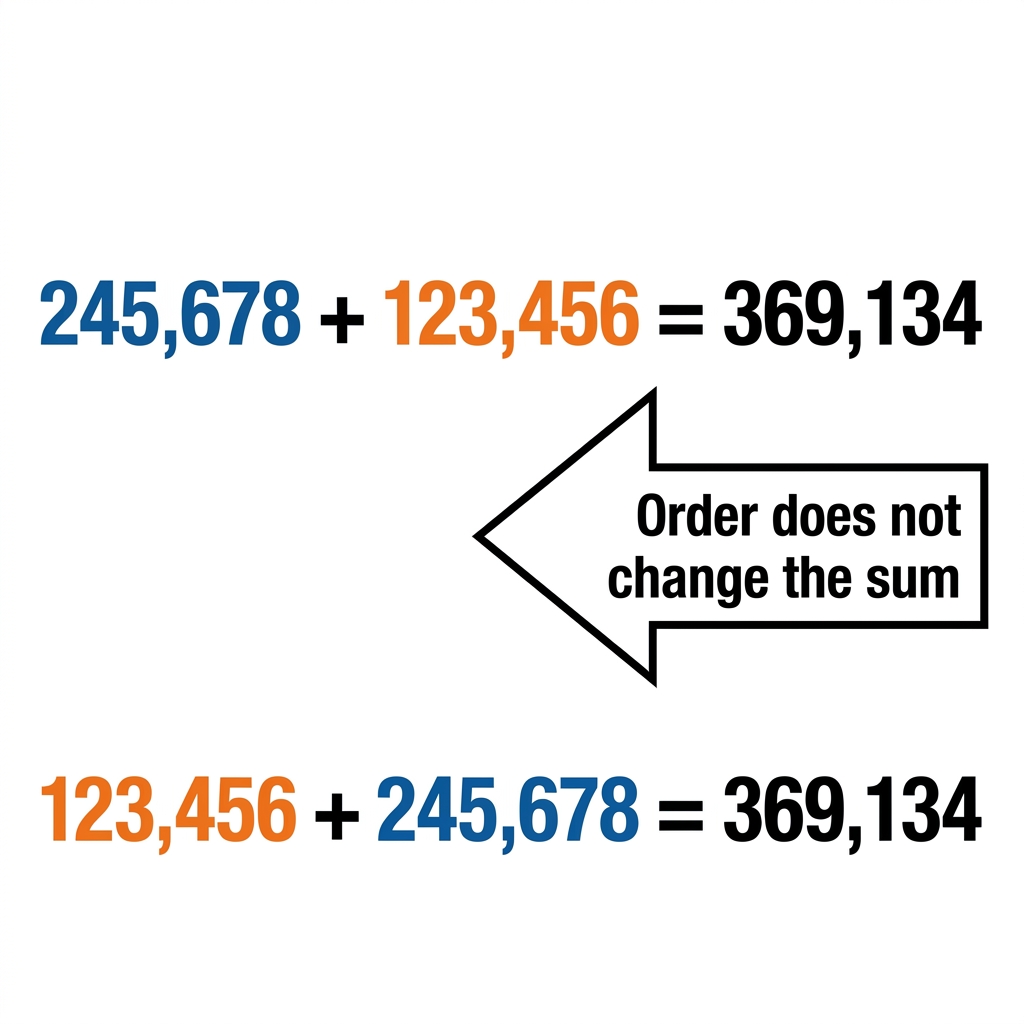
This lesson assumes students already have a basic understanding of place value and addition of smaller numbers. It pivots immediately to the process of keeping numbers organized in columns. The core of this material focuses on how to regroup when the sum of a column exceeds nine. For instance, when adding 245,678 and 123,456, students walk through the process of regrouping ones into tens, and tens into hundreds, ensuring they keep the place value consistent across the board. The instruction is clear: a column is a vertical line of digits that share the same place value, such as the ones, tens, or hundreds place.
Aligning with the state standards
This multi-digit addition and subtraction lesson serves the California-adopted standard CA.MATH.4.NBT.4, which requires students to fluently add and subtract multi-digit whole numbers using the standard algorithm. The lesson also incorporates CCSS.MATH.4.NBT.B.4 as part of the same standard, emphasizing that fluency is the goal for numbers up to 1,000,000. It is the same standard expected of students in the Anaheim Elementary School District, Fremont Unified, San Jacinto Unified, and Galt Joint Union Elementary School District.
The lesson defines the standard algorithm as a step-by-step method for adding or subtracting numbers by lining them up in columns according to their place value. It also defines regrouping as the process of changing a group of 10 from one place value to the next higher or lower place value. By breaking these definitions down, the lesson makes the abstract math feel more like a mechanical process that a student can replicate reliably. It includes a practice scenario where students calculate a two-day calculation of 345,000 meters and 210,500 meters, which forces them to apply these rules to much larger values than they are used to handling.
Why the standard algorithm matters
I find that students often think these steps are just busy work. To counter that, the lesson explicitly explains that accountants use the standard algorithm every day to verify large financial transactions, noting that they must be very careful to line up every digit correctly so that no money is lost or miscounted. It is a simple but effective way to ground the work in reality. When a student sees that their ledger has to be perfect, they start to care about whether their columns are straight.

One caveat I always share with colleagues: keep an eye on students who try to rush the regrouping. They often write the regrouped number in the wrong place or simply forget to add it to the next column. This lesson is particularly helpful for those who need a structured refresher before moving on to multi-digit multiplication, which collapses completely if a student cannot regroup reliably. Because the lesson is concise, fitting into about 45 minutes, it is perfect for a whole-class assignment, an intervention session for small groups, or for a student who missed the week and needs to catch up on the fundamentals.
Building fluency for the future
If you are working with a student who is still struggling with the CA.MATH.4.NBT.4 requirements, do not be afraid to have them physically draw the columns on grid paper first. The lesson does an excellent job of showing that vertical alignment is not just a suggestion; it is a necessity for accuracy. When students stop trying to guess the sum and start relying on the algorithm, their confidence grows noticeably.
I suggest using this as a diagnostic tool. If you see students struggling with the regrouping during the guided practice, you know exactly where the breakdown in their reasoning is occurring. Do not assume they understand the standard algorithm just because they can find the correct answer on smaller problems. The leap to one million requires a level of rigor that this lesson provides in a straightforward, accessible way. If they cannot hold their columns during addition, they will not be able to hold them during subtraction when borrowing is introduced, making this a central moment in your math instruction for the year.
Related lessons
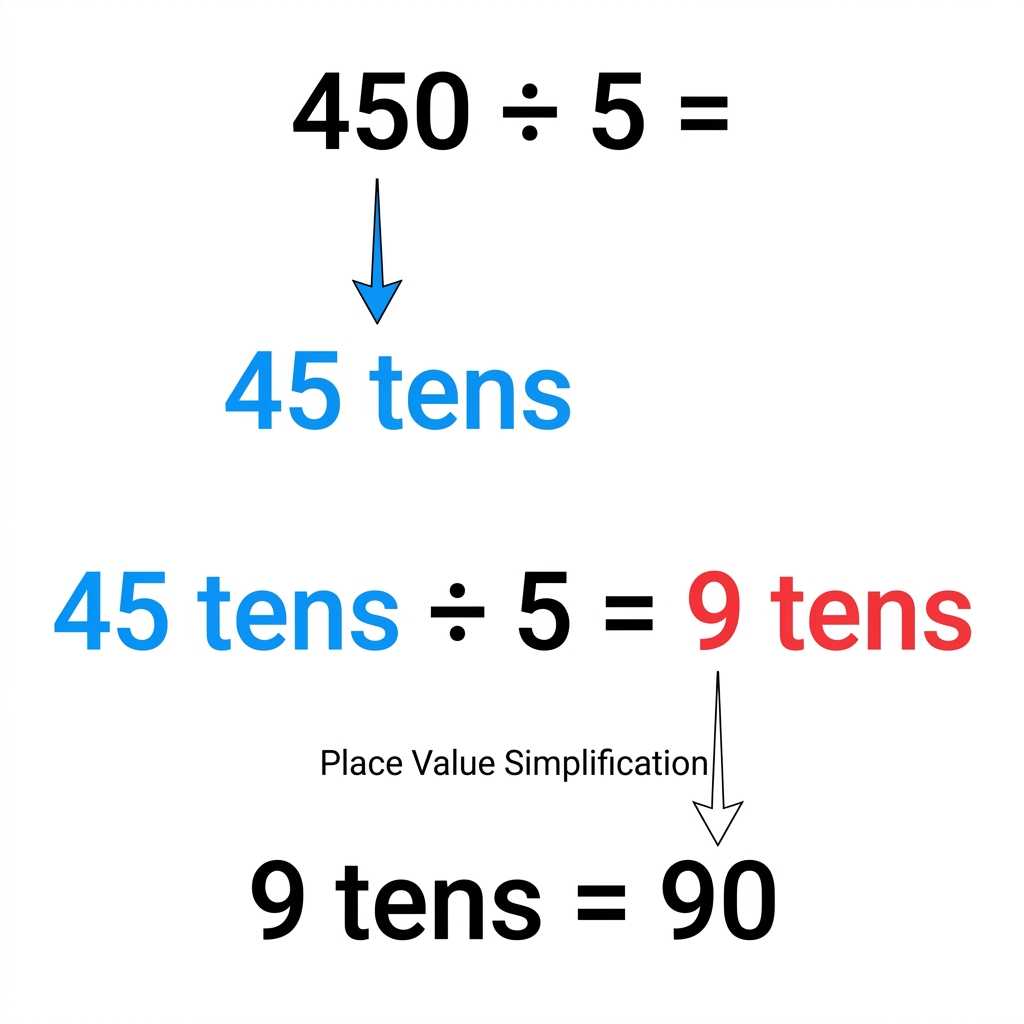
Dividing Whole Numbers with Remainders, Calculations involving division where a remainder is left over
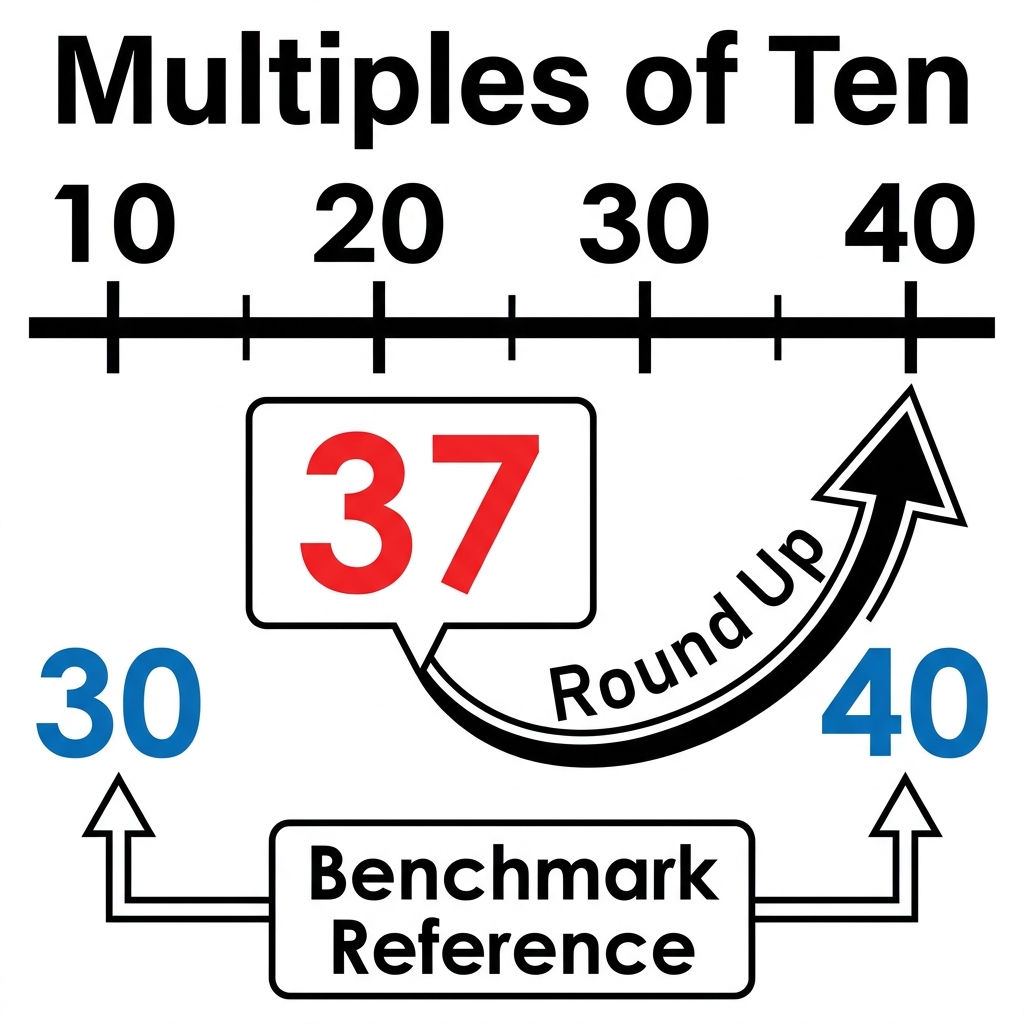
Rounding Numbers to the Nearest Ten and Hundred, Methods for rounding whole numbers to specific place values
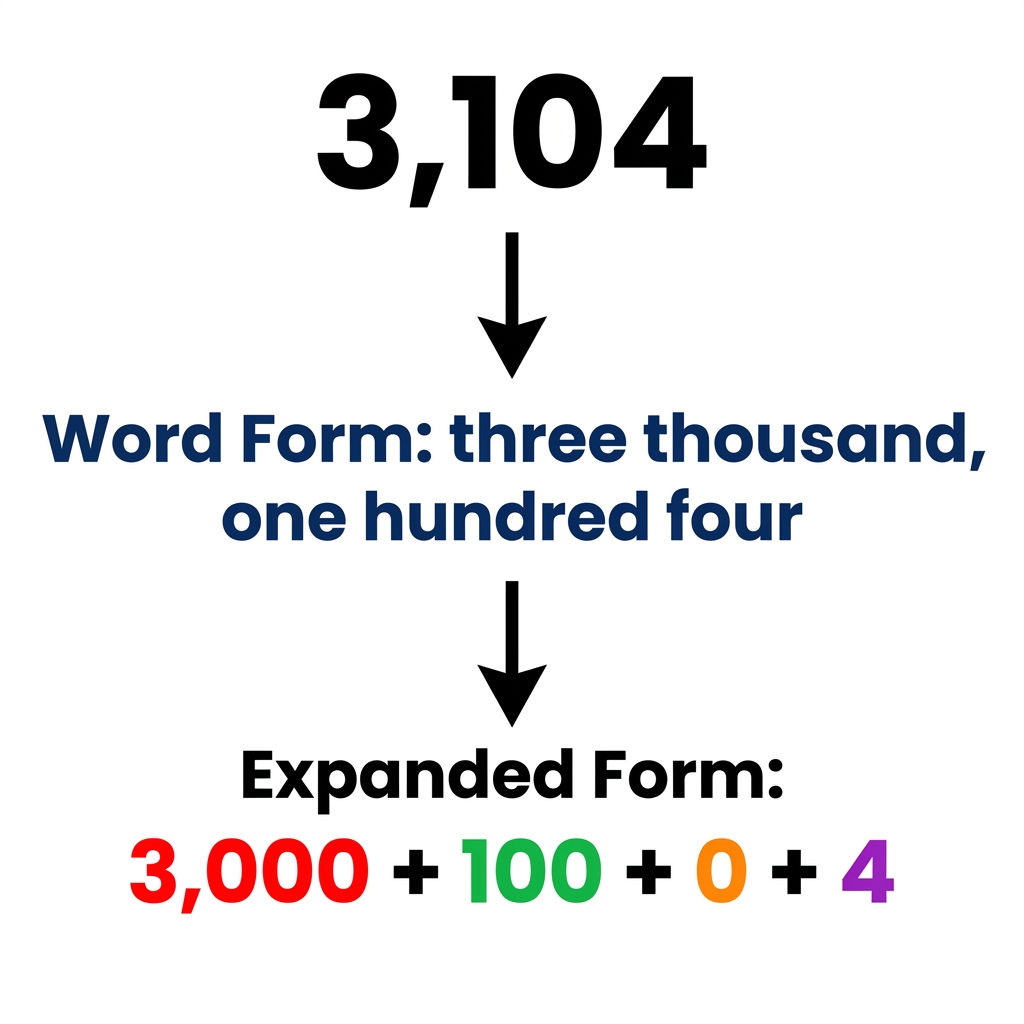
Comparing and Representing Large Numbers, Strategies for reading writing and comparing multi-digit integers